

Why the Steel Heat Treating Process Matters
When it comes to knives and tools that need to perform under pressure, the steel heat treating process is absolutely critical. You might wonder, "Isn't steel just steel? Why all the fuss about heat treating?" Well, let me tell you, the difference between a blade that holds an edge and one that dulls after a few uses often comes down to how the steel was treated. This process transforms raw steel into a powerhouse of strength, durability, and resilience. If you want a knife that can stand up to tough conditions, understanding heat treating is a game changer.
What Exactly Is the Steel Heat Treating Process?
At its core, heat treating steel is about controlling the temperature and cooling rate of the metal to change its internal structure. This isn't just some fancy workshop trick - it's a precise science that affects hardness, toughness, and flexibility. The process usually involves several key steps:
Heating the steel to a specific temperature where its crystal structure changes.
Quenching, we will not compromise and use Peters’ HT inc!
Tempering, which reheats the steel to a lower temperature to reduce brittleness.
Each step is carefully controlled to get the exact properties needed for the steel’s intended use. For example, a knife blade needs to be hard enough to hold a sharp edge but tough enough to resist chipping or breaking.
Why does this matter? Because untreated or poorly treated steel can be soft, prone to wear, or brittle. Heat treating balances these traits perfectly.

How Heat Treating Impacts Knife Performance
Think about the last time you used a knife that just wouldn’t cut cleanly or lost its edge quickly. Chances are, the steel wasn’t heat treated properly. When you heat treat knife steel, you’re essentially giving it the ability to perform at a professional level.
Here’s what heat treating does for knives:
Improves hardness so the blade stays sharp longer.
Increases toughness to prevent cracking or breaking under stress.
Enhances wear resistance so the blade can handle abrasive materials.
Optimizes flexibility to avoid brittleness, which can cause chips.
For serious users like military personnel, first responders, or adventurers, these qualities aren’t just nice to have - they’re essential. A knife that fails in the field can be more than an inconvenience; it can be dangerous.
If you want to dive deeper into the specifics, check out this guide on heat treating knife steel to see how professionals get it right.
The Science Behind Heat Treating Steel
Let’s get a bit technical for a moment - but don’t worry, I’ll keep it straightforward. Steel is made up of iron and carbon, and its properties depend on how these atoms are arranged. When you heat steel to a high temperature, the atoms rearrange into a phase called austenite. Quenching then locks this structure in place, creating martensite, which is very hard but also brittle.
Tempering reheats the steel to a lower temperature, allowing some of the internal stresses to relax and making the steel tougher and less brittle. The exact temperatures and times vary depending on the steel type and desired properties.
This is why heat treating isn’t a one-size-fits-all process. Different steels require different heat treating schedules. For example, high-carbon steels used in knives need precise control to balance hardness and toughness.
Practical Tips for Recognizing Quality Heat Treated Steel
You don’t have to be a metallurgist to spot a well heat treated knife or tool. Here are some practical tips:
Check the edge retention - A good heat treated blade will stay sharp longer.
Look for consistent hardness - Some manufacturers provide Rockwell hardness ratings; a range of 58-62 HRC is common for high-performance knives.
Test for toughness - While you can’t easily test this at home, reviews and brand reputation often reflect how well the steel holds up under stress.
Ask about the heat treating process - Brands that care about quality will openly share their heat treating methods.
Remember, a knife is only as good as the steel and the heat treating behind it. Don’t settle for less when your life or mission depends on your gear.
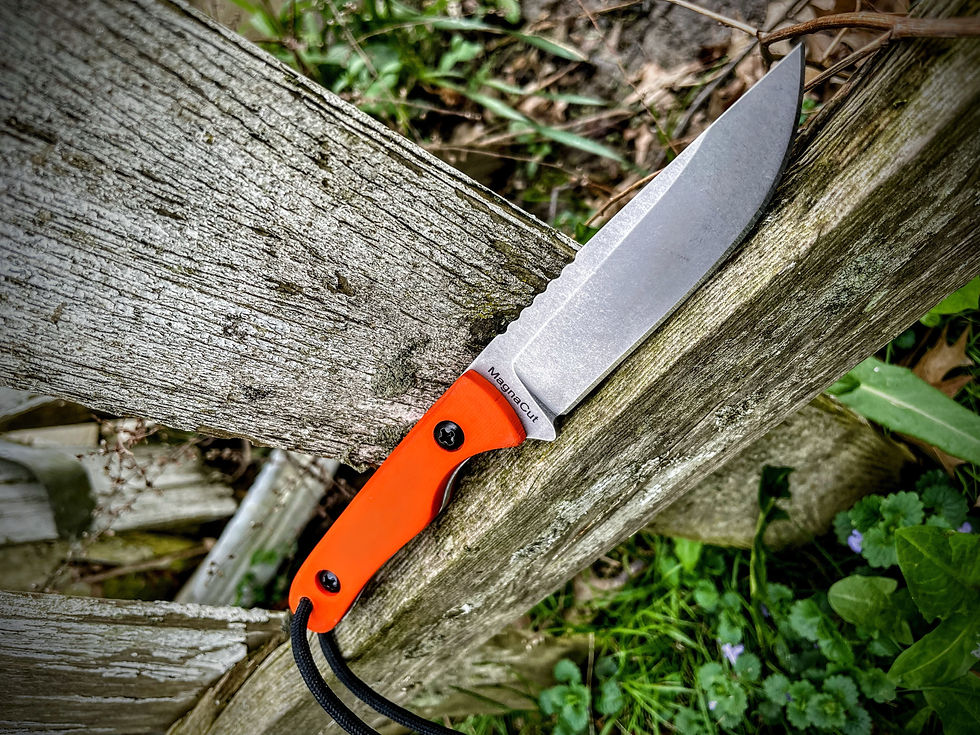
Why the American-Made FreeBird Stands Out
There’s something special about American-made knives that have undergone expert heat treating at Peters’ HT Inc rigorous heat treating standards, results in tools that professionals trust worldwide.
American manufacturers often use state-of-the-art heat treating equipment and processes to ensure every blade meets strict performance criteria. This means you get knives that are:
Reliable in extreme conditions
Built to last for generations of heavy use
Backed by a commitment to quality and durability
For those who demand the best, choosing a FreeBird with expertly heat treated steel is non-negotiable. It’s the difference between a tool that performs flawlessly and one that lets you down when it matters most.
Heat treating steel is not just a step in manufacturing - it’s the heart of what makes a knife or tool truly exceptional. Whether you’re out in the field, on a mission, or just need a dependable blade, understanding this process helps you make smarter choices. So next time you pick up a knife, remember - the heat treating process inside that steel is what gives it the power to perform like a champion.


Comments